The rise of online casinos by language has transformed the digital gambling landscape. As gaming becomes increasingly global, language inclusivity plays a vital role in ensuring that players not only have fun but also feel secure and understood. Whether you’re a casual gambler or a seasoned player, the ability to interact with your favorite platform in your native tongue can make a huge difference.





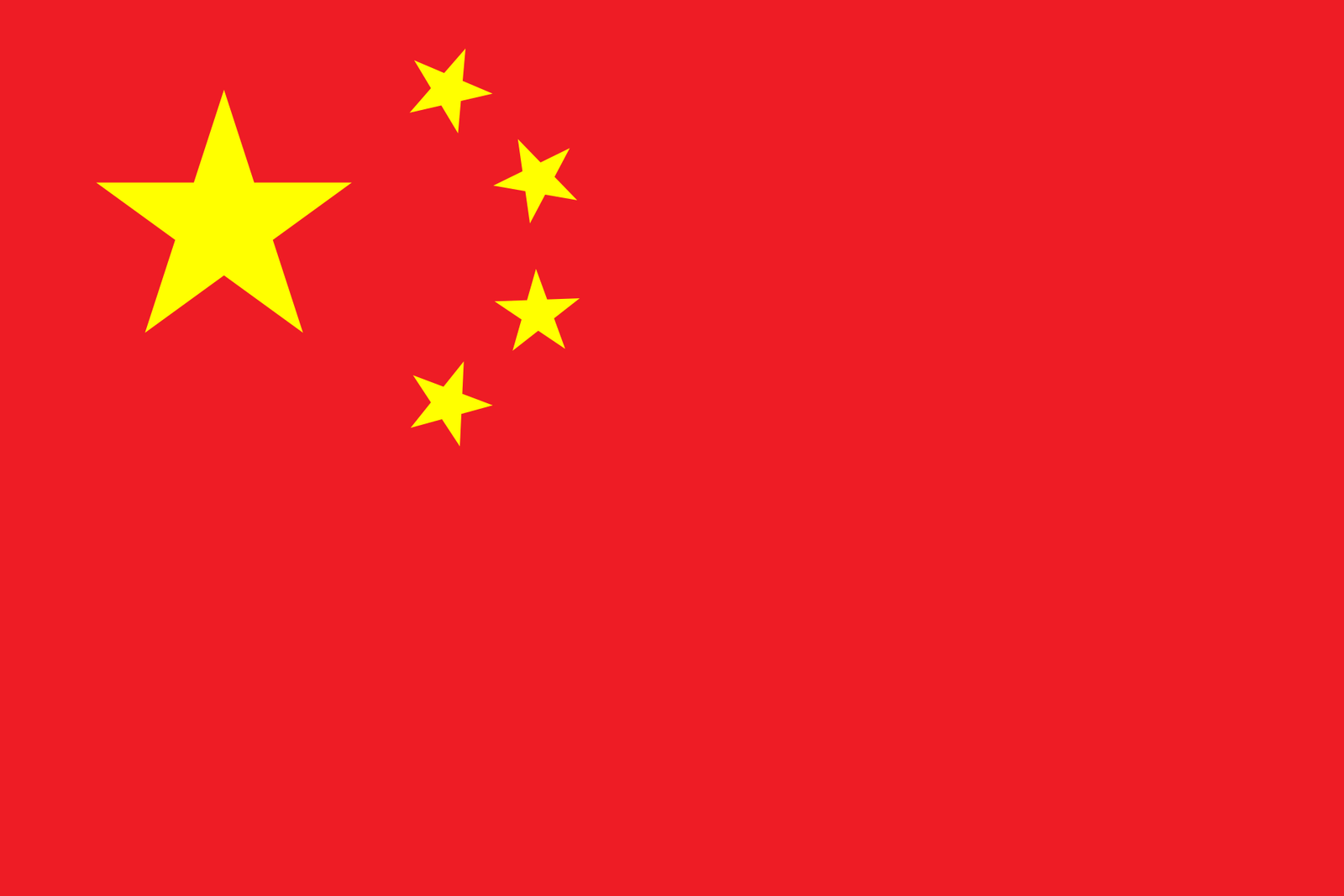
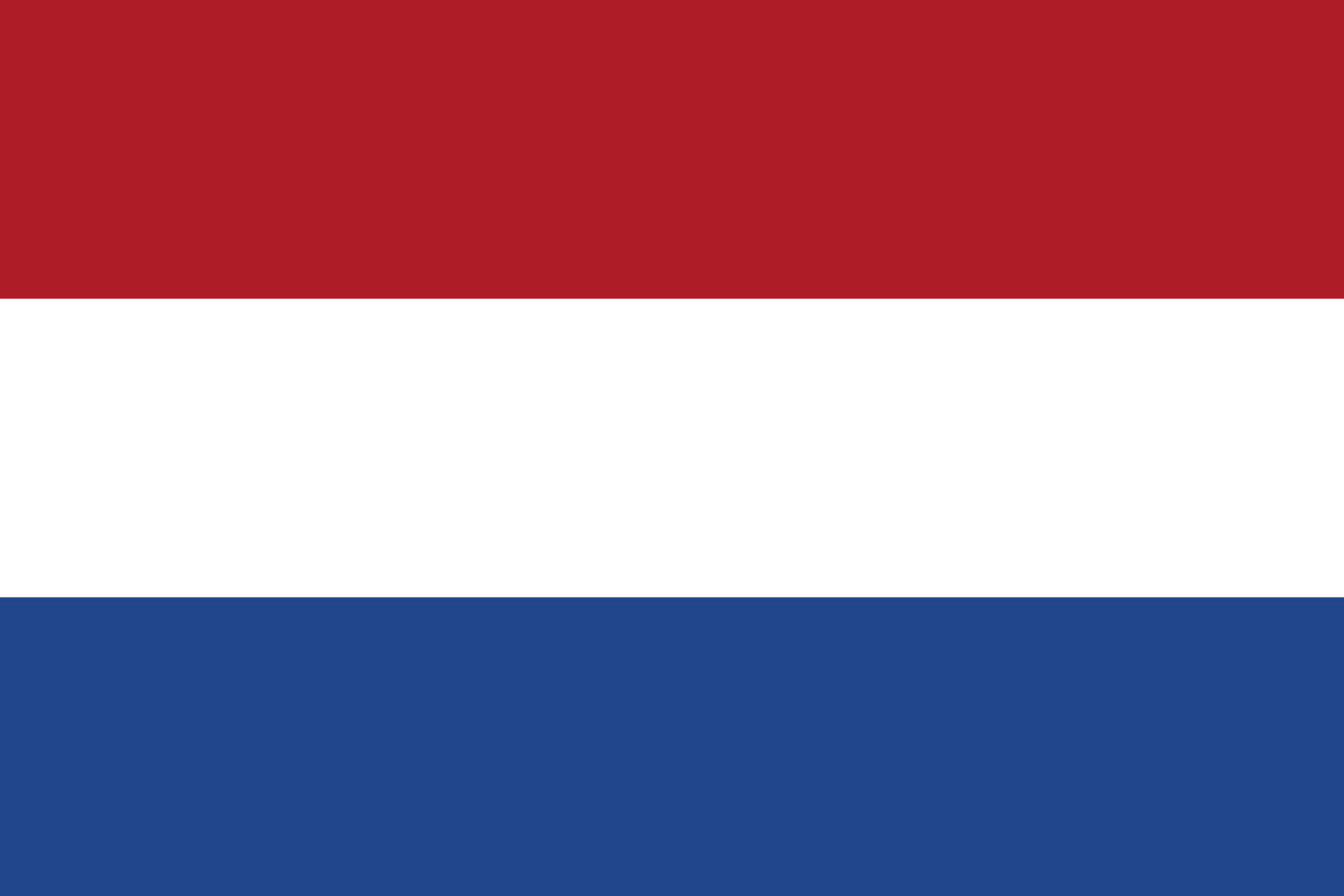









Why Language Localization Matters in iGaming (User Experience, Trust, Compliance)
Choosing the right Online Casinos by Language isn’t just a nice-to-have; it’s the difference between confident play and costly mistakes. When the entire journey—from sign-up and KYC checks to reading bonus terms and requesting withdrawals—appears in your preferred language, you understand what you’re agreeing to. That understanding builds trust, helps you avoid surprises, and keeps you in control of your bankroll.
At its core, language localization reduces cognitive load. Casino platforms are jam-packed with details: game rules, Return to Player (RTP) disclosures, wagering requirements, time limits, and excluded bets. If you’re reading these in a second language, your brain works harder and misses nuances—like whether wagering is “20x deposit + bonus” or “20x bonus only.” The first is twice as demanding as the second, and that detail often lives in a single sentence. Clear language turns fine print into plain sense.
Good localization also respects culture. A Lunar New Year promo will feel tone-deaf if it ignores regional customs or uses symbols in the wrong way. Likewise, responsible gambling messaging should sound natural and empathetic, not like machine-translated boilerplate. The same goes for safer gambling tools—deposit limits, timeouts, and self-exclusion—where clarity is a matter of player protection.
Finally, language ties into compliance. Many jurisdictions require specific wording for advertising, bonus disclosure, and safer-gambling signposts. If a casino invests in proper translations for legal pages, privacy policies, and cookie notices, it signals maturity and accountability. In short, solid localization boosts comprehension, builds credibility, and aligns the experience with rules that keep players safe.
Cognitive Load & Misinterpretation: Rules, RTP, and T&C Clarity
Misreading one clause can lock bonus funds for weeks or void winnings. Look for human-written rules, consistent terminology (e.g., “wagering,” “turnover,” or “rollover”), and examples that show the math. If a site presents RTP tables and game weighting in your language, you can pick games that match your strategy.
Cultural Nuance: Promotions, Holidays, and Responsible Play Messaging
Smart casinos adapt calendars and creative. Promotions tied to national holidays, local sports, or payday cycles feel relevant. More importantly, responsible gambling messages must be clear in tone—kind, direct, and stigma-free.
How to Compare Online Casinos by Language: A 10-Point Checklist
A quick audit separates real localization from lipstick on a landing page:
- Interface Coverage — Are menus, footer links, game lobbies, and account settings fully translated, or only the homepage?
- Game Rules & Paytables — Can you read rules, volatility, and feature triggers in your language?
- T&C and Bonus Policy — Is the legal copy human-edited, consistent, and typo-free?
- Customer Support — Check hours, channels (live chat, email, phone, WhatsApp), and average response time.
- Payments & Currencies — Are local methods (PIX, iDEAL, Interac, PayNow, Sofort, M-Pesa) supported, with fees shown upfront?
- Withdrawal Flow — Are KYC steps explained clearly with acceptable document examples?
- Privacy & Cookies — Is consent wording plain and local law referenced (e.g., GDPR)?
- Safer Gambling Tools — Are deposit limits and self-exclusion clearly labeled and easy to find?
- Responsible Ads — Does promo text avoid misleading phrases? Are wagering multipliers plainly visible?
- Update Cadence — Are news, promos, and blog posts updated in your language, or are they stale?
Interface Coverage: Menus, Lobby, Game Rules, Help Center
Test by switching language, then clicking deep pages—VIP terms, payment FAQs, and game rules. Incomplete areas are a red flag.
Customer Support Quality: Hours, Channels, SLA, Escalation
Ask a test question in your language. Note wait time, clarity, and how agents escalate complex cases (KYC holds, payment disputes).
Legal Copy: Terms, Bonus Policy, AML/KYC, Privacy (GDPR)
Look for readable headings, consistent definitions, and plain-English examples. Legal clarity equals fewer misunderstandings.
Licensing & Regional Regulations That Influence Language Availability
Licensing shapes which languages casinos invest in. Operators in strong jurisdictions tend to fund thorough translations and compliance pages.
Tier-1 Jurisdictions (UK, Malta, Ontario)
Tier-1 markets demand transparent terms and responsible messaging. Well-localized UK English or Canadian French pages often indicate serious compliance. For reference on UK standards, see the UK Gambling Commission. Malta-licensed sites (MGA) also maintain robust disclosures and multilingual help centers.
Regulating Ad Language, Bonus Phrasing, and Safer Gambling Lines
Some regulators restrict phrasing like “risk-free” or require wagering to be shown prominently. Proper localization ensures ads respect local rules.
Payments & Currencies: Why Language Often Predicts Banking Fit
Language is a leading indicator of frictionless banking. If a site offers Brazilian Portuguese, there’s a good chance PIX appears at checkout. Dutch localization often comes with iDEAL; Canada’s English/French casinos commonly support Interac.
Local Methods (PIX, iDEAL, Interac, PayNow, Sofort)
Local rails cut costs and speed up withdrawals. They also reduce declines and chargebacks because users recognize their bank’s flow.
FX Costs, Settlement Times, and Chargeback Handling
If your currency isn’t supported, you’ll pay FX and deal with slower settlements. Read the banking FAQ in your language—fees and timelines should be explicit.
Bonuses Across Localized Sites: Wagering, Caps, and Restricted Games
Bonuses change by region due to laws and payment partnerships.
Reading Bonus Fine Print in Your Language (Turnover vs. Wagering)
Confirm whether wagering applies to bonus only, deposit + bonus, or total bets. Check max bet per spin while wagering, game weighting, and expiry.
Fairness Signals: RTP Disclosure, Game Weighting Tables
Transparent casinos publish RTP and detail weighting (e.g., slots 100%, roulette 10%). If the tables are clear in your language, you can plan smarter.
Multilingual Customer Support: Building Real Confidence
Support in your language reduces stress and speeds resolution.
Live Chat Scripts, Translation Quality, and Hand-offs
Agents should understand context—not just paste translations. If they escalate you to a specialist, the hand-off should keep your chat history and language.
Common Edge Cases: Disconnections, Stuck Bonuses, and KYC Holds
Reliable teams explain technical outcomes (like voided rounds), manually credit stuck bonuses, and outline exactly which documents to upload.
Game Catalog Localization: Slots, Live Casino, Crash & Instant Games
Localization goes beyond UI text.
Interface vs. Voice: Dealers, UI Text, Subtitles
Live casino tables may offer native-speaking dealers or translated UI with captions. Pick what helps you focus.
Regional Themes & Festive Editions (Diwali, Lunar New Year, Carnival)
Culturally tuned events can be fun, but promos should still show clear wagering and time limits in your language.
Testing Language Quality Yourself (Fast DIY Audit)
You don’t need special tools to judge translation quality.
5-Minute Playtest: Navigation, Rules, Support, Withdrawal Flow
Switch to your language, read a slot’s rules, scan the bonus policy, open live chat, and preview the withdrawal page. You’ll spot gaps fast.
Red-Flag Glossary: Machine Translation Tells
Watch for mixed-language sentences, awkward idioms, inconsistent terms (“turnover” vs “wagering”), and missing diacritics.
Data Protection & Player Safety in Your Language
Clear privacy text is a trust anchor. You should see your rights (access, deletion), cookie categories, and opt-out options written plainly. If you’re in the EU/EEA, look for GDPR references and a contact for data requests. Safer-gambling tools—deposit limits, session reminders, self-exclusion—must be easy to find and easy to change, with explanations in your language.
Accessibility: Screen Readers, Font Choices, and Left-to-Right vs RTL
True localization includes accessibility. For right-to-left languages like Arabic or Hebrew, the whole layout should mirror, not just text. Legible fonts, clear contrast, and alt text matter on mobile and desktop.
Arabic, Hebrew, and Layout Mirroring
If only text changes but alignment doesn’t, UX will feel broken. Proper RTL support is a sign of quality engineering.
Mobile UX: Language Switching on iOS/Android vs Desktop
On phones, language toggles should live in the header or profile menu. Look for in-app help that matches your chosen language and push notifications that follow suit.
Case Study: Why Finnish & Brazilian Portuguese Localizations Lead
Finland’s and Brazil’s player communities value clarity and convenient banking. Operators that invest in Finnish or Brazilian Portuguese typically add local payment rails, host regionally relevant promos, and translate help centers thoroughly. That investment pays back in player trust and retention.
Emerging Markets & Languages: Indonesian, Vietnamese, Arabic
These fast-growing segments reward casinos that go beyond homepages. Full help centers, banking FAQs, and responsible-play pages in the local language are winning moves.
Checklist: Picking a Safe, Localized Casino in 7 Steps
- Confirm License: Prefer reputable regulators (e.g., UKGC, MGA).
- Switch Language Site-Wide: Check deep pages (payments, T&C, KYC).
- Test Support: Ask a nuanced question in your language.
- Scan Bonus Policy: Find wagering, max bet, and expiry—clearly stated.
- Verify Local Payments: Look for your currency and known rails.
- Check Privacy & Safety Tools: Can you set limits and self-exclude easily?
- Do a Small Trial: Deposit a small amount, play, then attempt a withdrawal.
FAQs
1) What does “Online Casinos by Language” actually mean?
It refers to choosing casinos that fully support your preferred language across the interface, rules, terms, support, and banking pages—not just a translated homepage.
2) How can I quickly tell if a translation is machine-generated?
Look for inconsistent terms, missing accents, odd idioms, and pages that switch back to English mid-sentence. Test the help center and bonus policy—weak spots show fast.
3) Do localized casinos offer different bonuses?
Often, yes. Wagering, expiry, and payment-linked promos can vary by region. Always read the local bonus policy in your language before opting in.
4) Is language a signal of casino safety?
Not by itself. Pair language quality with licensing, clear privacy text, responsible-play tools, and fast, helpful support.
5) Will my documents for KYC be reviewed in my language?
Many teams handle common IDs globally, but clarity helps. Pick casinos that explain document requirements and rejection reasons in your language.
6) Are localized live dealer tables better?
If native-language dealers help you focus and enjoy the game, yes. Otherwise, UI translation and subtitles may be enough.
7) How do local payment options tie into language?
Casinos investing in your language usually add local rails and currencies, which reduces fees and speeds withdrawals.
8) What if a casino only partly translates pages?
Treat it as a warning sign. Partial localization often correlates with unclear T&C and slower support. Consider alternatives.
Conclusion & Next Steps
Picking the right casino is simpler when you judge them as Online Casinos by Language first. Full-fledged localization—clean UI, complete legal pages, responsive support, and local banking—means fewer surprises and more enjoyable play. Use the checklists above, test support before you commit, and choose platforms that respect your language, your time, and your safety. When language is clear, the rest of the experience clicks into place.